A forest trail lined with yellow autumn leaves on deciduous trees, with some fallen leaves on the ground, under a bright sky.

HEAL THROUGH CONNECTION

Trauma Therapy in Utah for Betrayal, Grief, and Life Transitions

In-person and online therapy in Utah and online therapy in California, New York, and Idaho

When Life Feels Heavier Than You Can Carry On Your Own

There are seasons in life when things look fine on the outside—but internally, everything feels strained, overwhelming, or quietly unmanageable.

You may still be showing up for work, relationships, and daily responsibilities, but it takes more effort than anyone realizes. You might feel emotionally exhausted, mentally scattered, or like you’re constantly holding yourself together just enough to get through the day.

Many of the people I work with describe a sense of disconnect—like they’re going through the motions of life, but not really feeling present in it.

If you’ve been carrying betrayal, grief, or a major life transition, you may also notice that the emotional weight doesn’t fade on its own. It lingers. It shows up in unexpected moments. It affects how you think, how you sleep, how you connect with others, and how safe you feel inside your own life.

Therapy can be a place where you no longer have to manage all of this alone.

You might be here because something has shifted

Most people don’t start searching for therapy randomly. Something usually prompts it—a moment, a realization, or a slow build of emotional exhaustion over time.

You might recognize yourself in some of these experiences:

You replay conversations in your head, trying to make sense of what happened or what you missed. You second-guess yourself more than you used to. You feel emotionally drained, even when nothing “major” is happening in the moment.

You may be navigating the impact of betrayal in a relationship—where trust has been damaged and you’re trying to understand what feels real, what feels safe, and what comes next.

Or you may be grieving someone, something, or a version of life that no longer exists in the same way. Grief doesn’t always look like tears—it can show up as numbness, disorientation, irritability, or a quiet sense that things will never quite feel the same again.

Life transitions can also bring their own kind of instability. Even positive changes can feel disorienting when your identity, relationships, or daily structure shift in ways you didn’t fully expect.

Many clients describe feeling like they are “functioning, but not okay,” or like they’ve been carrying everything alone for longer than they can sustain.

You don't have to keep doing this on your own.
Close-up of yellow autumn leaves on a tree, illuminated by warm light.

Therapy For Betrayal Trauma, Grief, and Life Transitions in Utah

In therapy, we slow things down enough to actually understand what you’re experiencing—not just at the surface level, but emotionally, mentally, and physically.

Trauma doesn’t always come from a single event. Sometimes it builds through repeated emotional stress, relational rupture, or experiences that overwhelm your ability to cope at the time.

Betrayal trauma, in particular, can deeply impact your sense of trust—not only in others, but in yourself. You may find yourself questioning your judgment, your memories, or your ability to make sense of what happened.

Grief can feel equally complex. It may come in waves, or it may feel frozen. You might feel pressure to “move on,” even when something inside you is still processing what was lost.

Life transitions often bring identity questions: Who am I now? What do I want next? Why does everything feel unfamiliar when nothing is technically “wrong”?

In therapy, we work with all of this together.

Wooden bridge over a rocky stream in a forest with trees that have green and yellow leaves, under a clear blue sky.

What Trauma Therapy Looks Like With Me

Therapy is not about rushing you through your experience or forcing you into positivity before you’re ready.

Instead, we focus on helping you understand what is happening beneath the surface of your thoughts, emotions, and reactions.

In our work together, we may explore:

How your nervous system responds to stress, conflict, or emotional triggers
The patterns that show up in relationships or decision-making
How past experiences continue to influence present-day reactions
What emotions may feel overwhelming, shut down, or hard to access
How to begin feeling more grounded and present in your daily life

We also focus on practical tools you can actually use in real time—not just insights that make sense in session, but strategies that support you outside of therapy as well.

Some sessions may feel reflective and exploratory. Others may focus more on coping strategies, emotional regulation, or specific challenges you’re facing that week.

The process is paced around you—not rushed, not forced, and not one-size-fits-all.

How I Approach Therapy

My approach to therapy is grounded, collaborative, and focused on real-life change.

That means we don’t just talk about what’s happening—we work with it in a way that helps you understand yourself more clearly and respond differently over time.

I see therapy as a space where you don’t have to perform, explain everything perfectly, or have all the answers before you begin.

Instead, we slow things down enough to notice patterns, explore emotional experiences, and build clarity where things currently feel confusing or overwhelming.

The goal is not to “fix” you. The goal is to help you feel more connected to yourself, more steady in your emotions, and more capable of navigating life as it is right now.


Areas I Specialize In

People come to therapy for many different reasons, but my primary focus areas include:

Trauma Therapy in Utah
Supporting you in understanding and processing experiences that continue to affect your emotional well-being, relationships, or sense of safety.

Betrayal Trauma Support
Helping you navigate the emotional impact of broken trust, relational rupture, and the confusion that often follows betrayal.

Religious Trauma Support

I provide specialized, compassionate support for healing from religious trauma. My focus is on helping you navigate deconstruction, reclaim your identity, and build a safe, authentic life.

Grief Therapy
Working with loss in all its forms—whether recent, long-standing, expected, or unexpected—and helping you process grief at your own pace.

Eating Disorder and Body Image support

Break free from disordered eating and embrace a positive body image. Professional counseling to help you rebuild a healthy, loving relationship with food and yourself.

Life Transitions Therapy
Supporting you through identity shifts, relationship changes, career transitions, or life stages that feel uncertain or destabilizing.

Each of these experiences can affect how you think, feel, and move through your daily life. Therapy provides a space to process them with support rather than isolation.

Who This Therapy Is For

This work may be a good fit if you:

Feel emotionally overwhelmed more often than you let others see
Struggle with anxiety, overthinking, or internal restlessness
Are navigating betrayal, grief, or relational pain
Feel stuck between where you were and where you’re trying to go
Have been managing on your own for a long time and feel tired of doing it alone
Want to understand yourself more deeply, not just “cope better”

You don’t need to have everything figured out before starting therapy. Most people don’t.

You just need a willingness to begin where you are.

Who This May Not Be The Right Fit For

Therapy may not be the right fit at this time if you are looking for:

Quick fixes without emotional exploration
A purely advice-based or instructional approach
Support that avoids looking at underlying emotional patterns
A solution that doesn’t involve slowing down or reflecting on your internal experience

Therapy works best when there is openness to exploring both what is happening externally and what is happening internally.

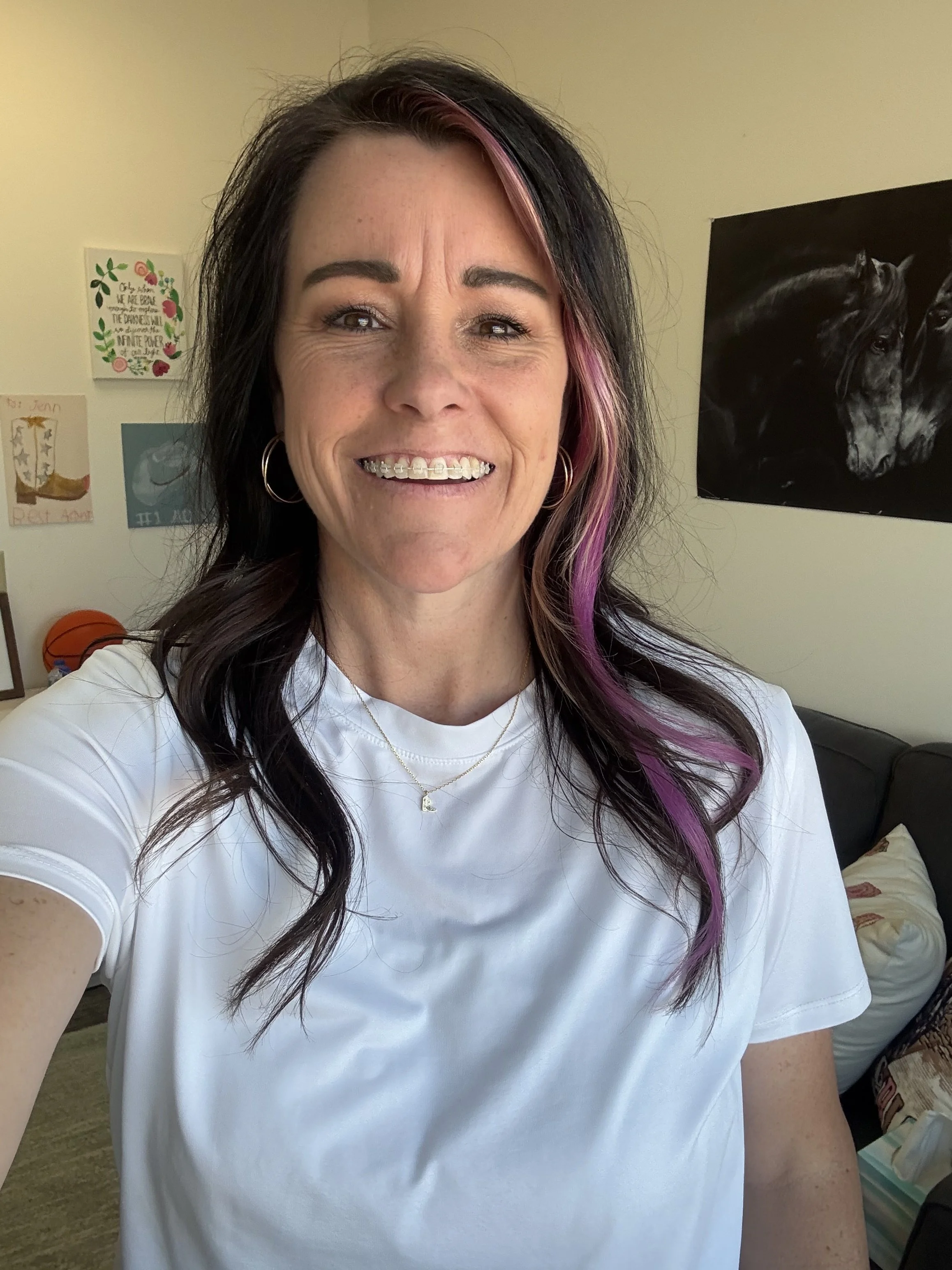
Hi, I’m Jenn.

I’m a trauma therapist who works with people navigating betrayal, grief, faith transitions, and the lasting impact of experiences that didn’t feel safe.

I use approaches like EMDR and relational therapy to help things actually shift—not just stay stuck in your head.

My style is grounded, relational, and straightforward.

Most people find themselves opening up more than they expected to—not because they have to, but because it starts to feel easier to be honest about what’s really going on.

You don’t have to have it all figured out before you start.
We’ll make sense of it together.

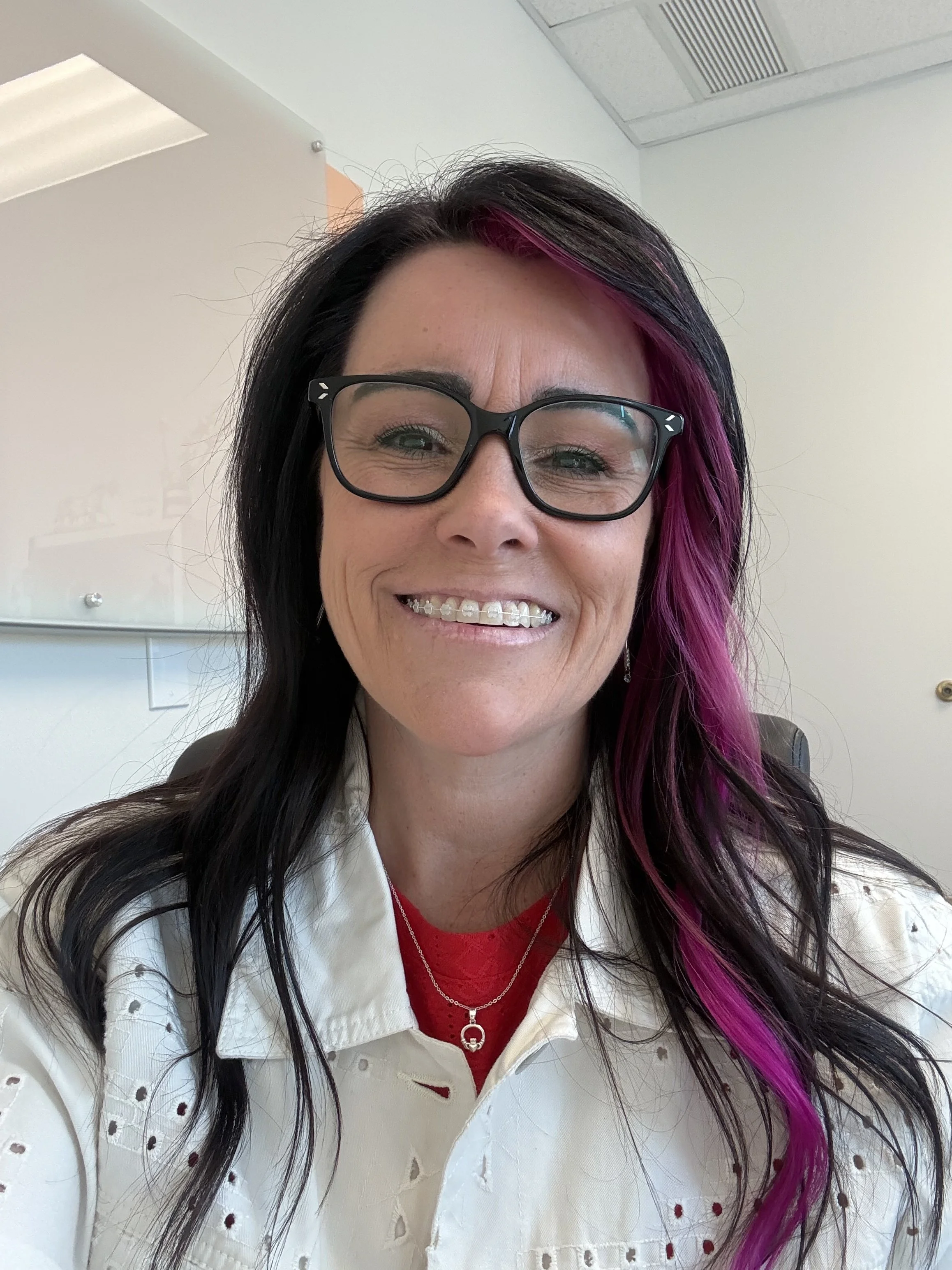
A woman with long black hair with purple streaks, wearing glasses, a white eyelet jacket, a red shirt, and a silver necklace with a heart-shaped pendant, smiling.
Hello

I Help Clients With:

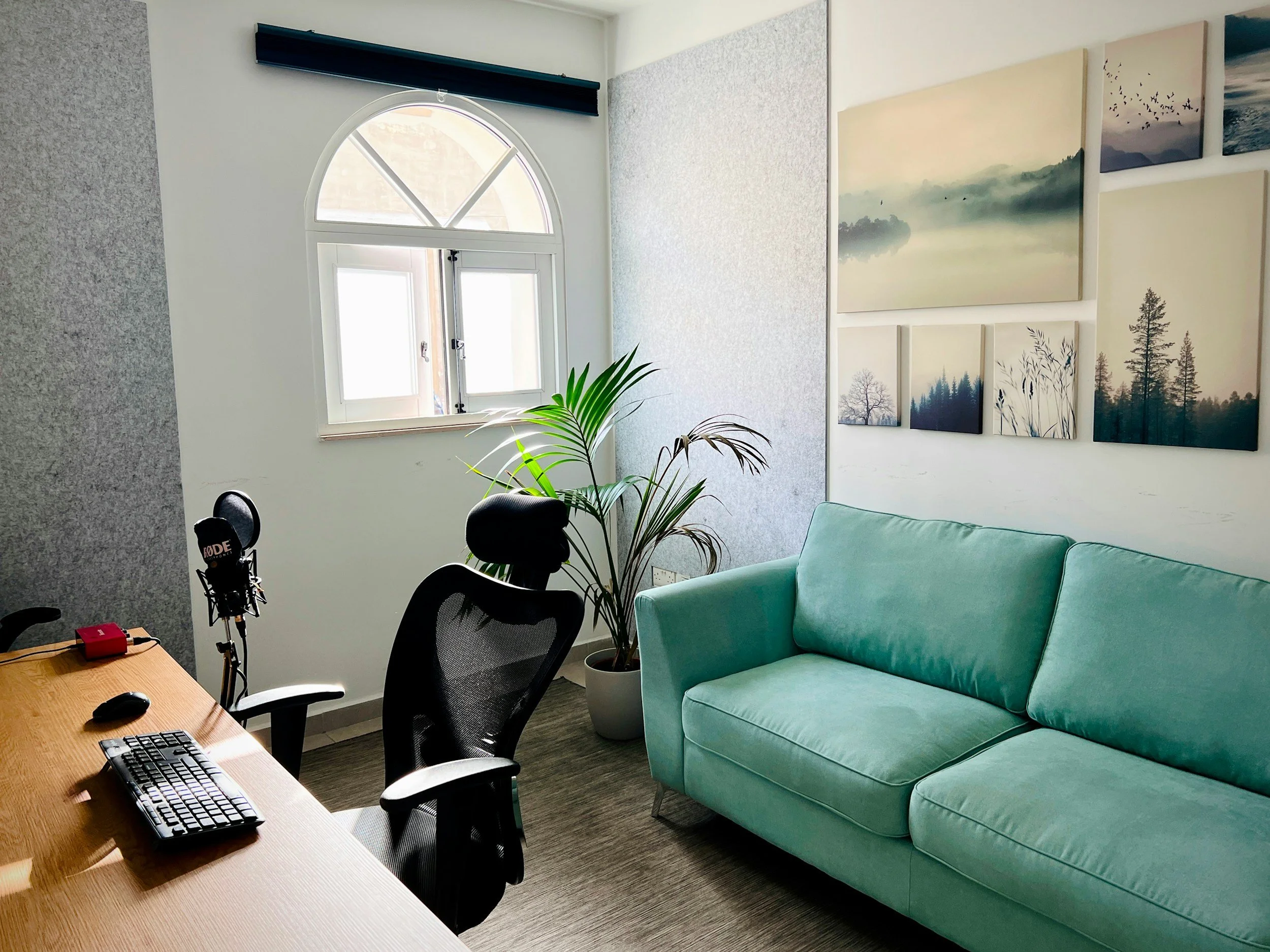
Office space with a wooden desk, black mesh chairs, a computer keyboard, and a microphone. There is a curly plant in a white pot and a mint green sofa. The wall features a gallery of landscape paintings, a window with a semi-circle top and rectangular bottom, and a textured wall panel.
  • Process experiences that are still affecting you so they don’t continue to show up in your thoughts, emotions, and relationships, using EMDR and ART.

  • Work one-on-one to understand what’s at the core of what you’re experiencing and begin to feel more grounded, clear, and in control.

If You’re Ready For Something To Feel Different…

To feel safe enough to open up and not do this alone, begin here

I offer in-person and online therapy in Utah, and online trauma therapy for clients in California, New York, and Idaho.